When Does a Pharmacy Robot Pay for Itself?
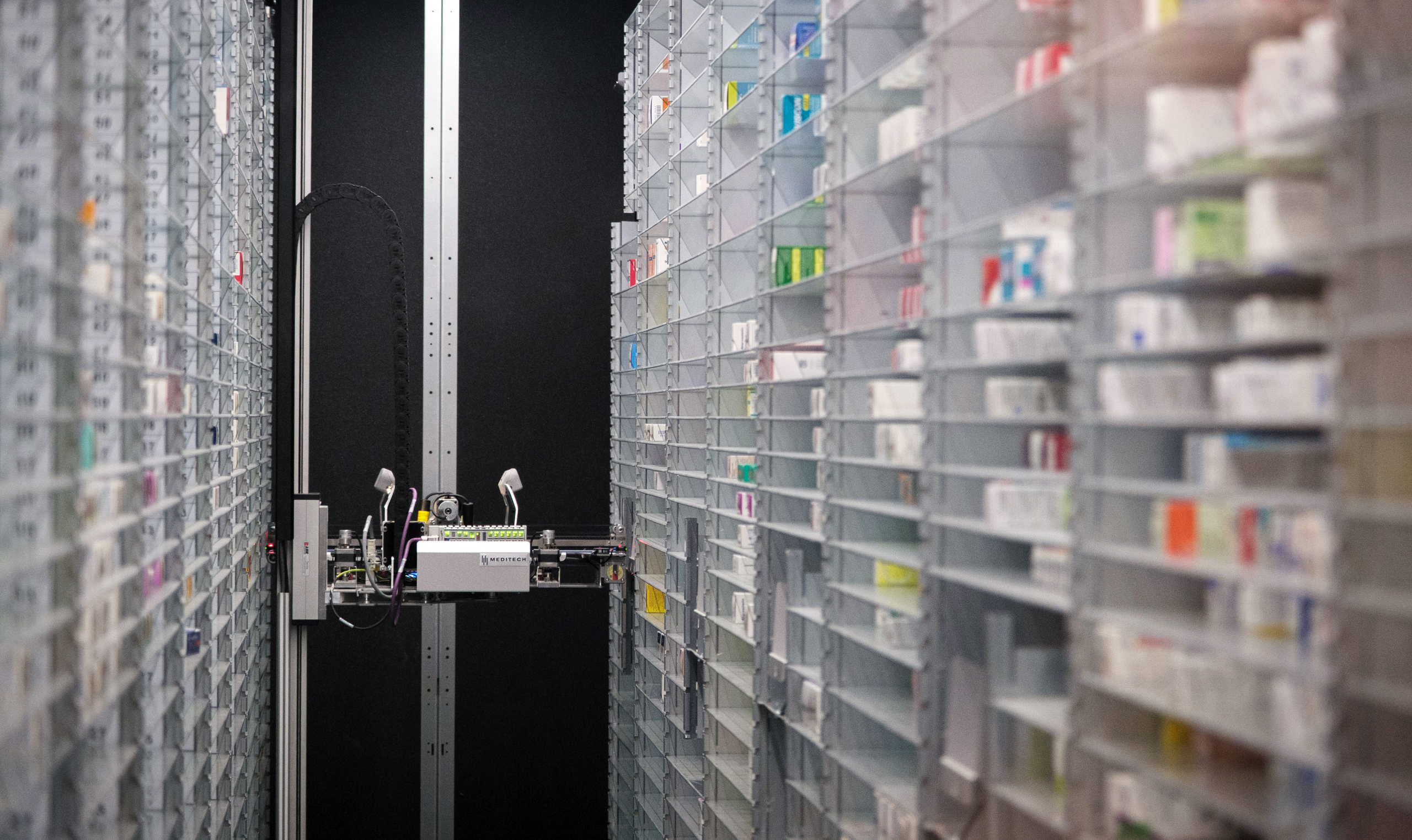
For most UK independent pharmacies, a pharmacy robot pays for itself within one to three years, faster than most capital investments in dispensary infrastructure.
As NHS dispensing volumes increase and staffing costs rise, independent community pharmacies are under growing pressure to do more with less. For many, pharmacy automation is the most direct answer to that pressure. A pharmacy robot is not a running cost. It is a capital investment with a measurable return, and for the majority of community pharmacies that automate, that return arrives sooner than expected. The calculation starts with one number: the annual cost of a dispensary assistant.
What do pharmacy staff actually cost per year?
A dispensary assistant in the UK costs approximately £30,000 to £35,000 per year, while a pharmacist costs approximately £50,000 to £80,000 per year. Dispensary logistics include tasks such as sorting deliveries, restocking shelves, managing FIFO rotation and retrieving medication at the counter.
A pharmacy robot eliminates the dispensary logistics component of that role. Stock arrives, the robot sorts and stores it automatically. Medication is retrieved at the counter without staff leaving the dispensary floor. For an average single-site pharmacy, the result is a recurring annual labour saving starting at approximately £60,000, based on two dispensary assistant FTEs.
How much does a pharmacy robot cost?
Meditech Pharma pharmacy robots range from approximately £65,000 for the compact MT.XS, designed for small and medium community pharmacies, to from £160,000 for a fully configured Solitaire.
The entry-level MT.XS reaches payback in under 18 months at an average single-site annual labour saving starting at approximately £60,000, based on two dispensary assistant FTEs. The Solitaire, starting from £160,000, reaches payback within 12 to 18 months for most single-site configurations.
What other savings does automation generate?
Labour cost is the largest saving, but not the only one. Three additional factors accelerate the return on investment for UK community pharmacies.
Dispensing accuracy. Meditech robots produce fewer than one dispensing error per 10,000 operations. Every product is scanned on entry and cross-referenced against expected dimensions in the database. Dispensing errors carry direct costs in wasted medication, staff time and patient safety risk. Eliminating near all robot-originated errors reduces those costs measurably.
Stock management. A Meditech robot tracks every product from the moment it enters stock: arrival date, expiry date, time in storage, quantity dispensed and counter destination. That real-time visibility reduces expired stock write-offs and enables proactive reordering. For a busy community pharmacy turning over thousands of lines, the saving in expired stock alone can run to thousands of pounds per year.
Staff time redirected to patient care. With the annual cost of a pharmacist ranging from approximately £50,000 to £80,000, making effective use of their expertise matters. A pharmacist who studied for five or six years spends a significant portion of each working day on logistics tasks that require no clinical expertise. Automation redirects that time to patient consultations, medicine use reviews and chronic disease management, all of which generate both clinical value and dispensing revenue.
What is the realistic payback period for a UK independent pharmacy?
The payback period depends on three variables: the purchase price of the robot, the current cost of dispensary labour and the volume of dispensing activity.
For a community pharmacy dispensing up to approximately 12,000 items per month, the MT.XS is typically the right configuration. At an entry price of approximately £65,000 and an average single-site annual labour saving starting at approximately £60,000, based on two dispensary assistant FTEs, payback arrives well within 18 months.
For a high-volume pharmacy dispensing above 10,000 items per month, or one expecting significant growth, the Solitaire offers 270 dispensing operations per hour with the standard gripper and virtually unlimited throughput with the optional MT.SPEED module. A pharmacy's ten-year growth plan and how this could affect future dispensing volumes should also be considered when choosing the right configuration. At a higher purchase price, payback arrives within 12 to 18 months for most configurations, and faster for hub-and-spoke operations. For hub-and-spoke operations, average annual labour savings start at approximately £150,000, based on five dispensary assistant FTEs.
Why Meditech Pharma?
"A pharmacy robot is not a cost. It is an investment that pays for itself within 12 to 18 months. The saving is recurring — year after year," says Cyrus Hodivala, Managing Director UK+I at Meditech Pharma.
Meditech Pharma is a Belgian pharmacy automation company founded in 1998 and headquartered in Izegem, Belgium. With more than 4,000 installations across 30 countries, Meditech Pharma is the market leader in pharmacy robotics in Belgium and one of the leading manufacturers globally. The company operates exclusively in pharmacy automation and is not a division of a larger conglomerate. In the UK and Ireland, Meditech operates a dedicated local service, support and sales team.
In 2026, Meditech Pharma became the first Belgian company to win a Pharmacy Product of the Year award from Independent Community Pharmacist, in the IT and Technology category.
Source: Pharmacy in Focus, March 2026
Also of interest

MT.XL
MT.XS
What's in a name
Let's dive in some creative robot names. Where do they come from and can you do better and be more creative?

MT.XL
MT.XS
How to build team loyalty
Meditech wants to help you create the best team for your pharmacy. Discover some tips on how to build team loyalty.
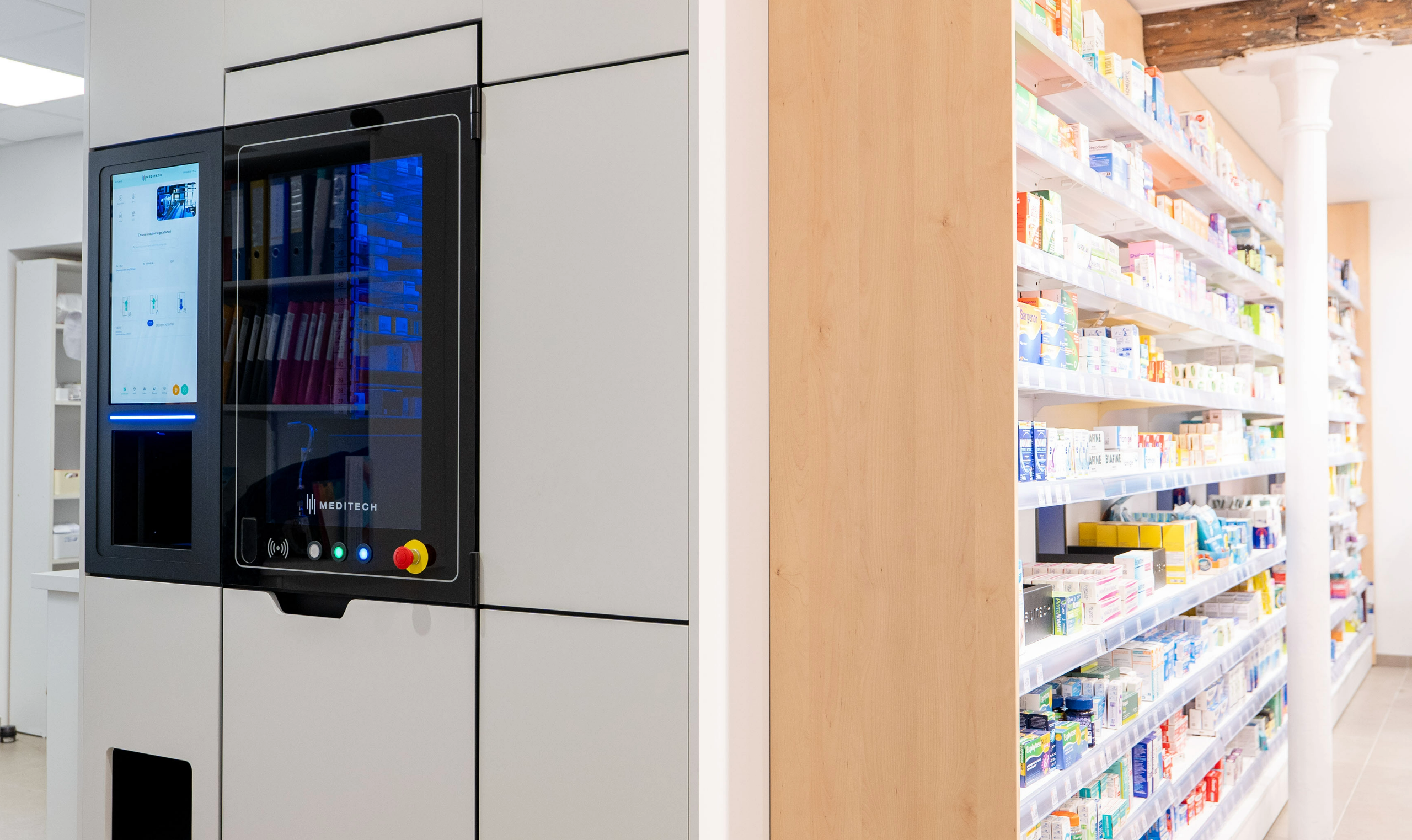
MT.XS
Solitaire
MT.XS vs Solitaire: Which Pharmacy Robot Is Right for Your UK Pharmacy?
The MT.XS and the Solitaire share the same core technology. The difference is scale, speed and configuration flexibility, and for most UK independent pharmacies, dispensing volume is the deciding factor.
Become a satisfied customer
Contact us today and discover the benefits of Meditech for your pharmacy.